Buying Basics#Guide
About Closing Costs: How Much You Need to Buy a Home
Most buyers budget about 2% to 5% of the purchase price for closing costs, on top of the down payment. Measured national…
Free tools: payment, APR, refinance break-even and more.
Open calculatorsBuying Basics#Guide
Most buyers budget about 2% to 5% of the purchase price for closing costs, on top of the down payment. Measured national…
A mortgage costs more than the rate on the ad. It is the rate, the fees at closing, mortgage insurance if you have it, and the years you hold the loan. This site walks through each of those numbers, from application to closing, in plain English.
We are The Mortgage Ledger, and we focus on what a loan actually costs and what a lender will actually ask for. We cover conventional, jumbo and adjustable-rate loans, government-backed programs such as FHA and USDA, and one-time close construction and renovation loans. Where we quote figures, we give the date they apply to. As of the Freddie Mac survey of November 5, 2026, the average 30-year fixed rate was 7.18%. Rates move weekly, so treat any number as a snapshot and not a quote.
I’d like to buy and finance a new home and I’d like to work with a seasoned mortgage professional that can help me through the process.
I’m interested in refinancing my current mortgage to lower my rate, shorten my term or tap my home’s equity to finance a home improvement project, consolidate debt, pay for tuition or something else I’ve been dreaming about.
I’d like to learn about the mortgage loan process, various mortgage options and use mortgage calculators to simulate and evaluate potential transactions.


Stuck between an ARM and a 30-year fixed? It comes down to how long you expect to keep the loan and whether your budget can absorb a higher payment once the fixed period ends. A fixed rate gives you a steady payment. An ARM usually starts lower, then resets on a schedule. The ARM guide explains the caps, and the calculators let you run both side by side.
Worried about the down payment? FHA guidelines generally allow 3.5% down with a credit score of 580 or higher, and 10% down for scores from 500 to 579. FHA loans also carry mortgage insurance premiums, and lender requirements can be stricter than the guidelines, so confirm with a licensed lender. Details are on the FHA page.
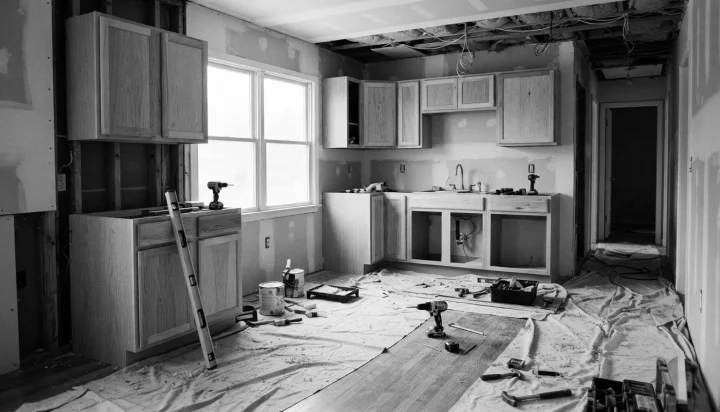
Repairs don’t have to be a separate loan. Renovation loans such as FHA 203(k) and HomeStyle fold the purchase price and repair costs into one loan and one closing. Eligible work, limits and the draw process differ, so compare them before you pick one.
Before you apply, gather pay stubs, W-2s, bank statements and tax returns, plus extra records if you are self-employed. The mortgage checklist lists everything. This site is educational and is not a loan offer or financial advice. Rates, limits and program rules change, so confirm current terms with a licensed lender. Our editorial team writes and maintains these guides; read more about The Mortgage Ledger and how we research and review them in our editorial policy.